GTS Meaning in Text: Definition, Usage, and Smart
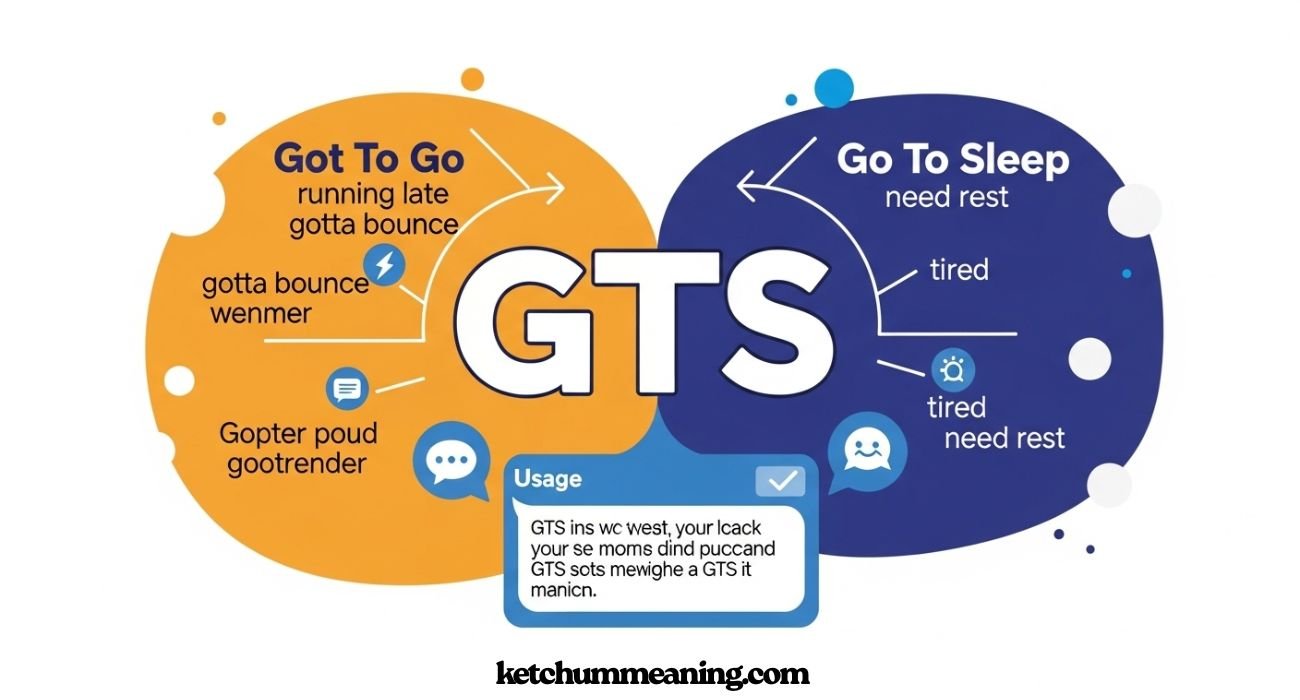
GTS Meaning in Text refers to the short slang people use when they want to say “go to sleep” or “google that stuff.” It helps readers understand fast messages. This meaning is common in simple daily chats.
Many people like short texting slang. It feels quick and fun to use. Readers enjoy learning these simple terms.
The GTS Meaning in Text appears in apps, games, and social media. People use it with friends and classmates. It makes online communication fast and easy.
What Does GTS Mean in Text?
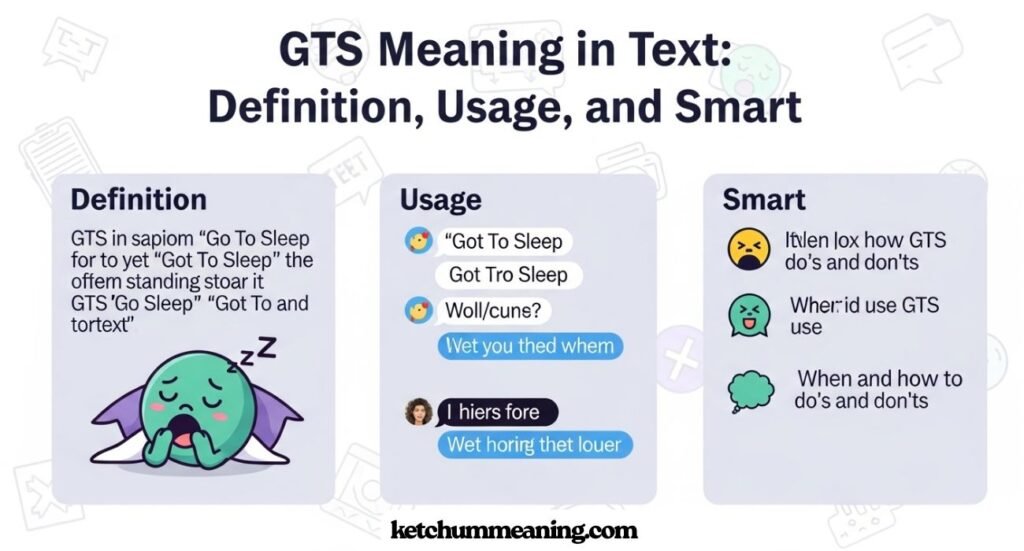
To begin, it helps to clearly define GTS. The most common GTS meaning is “Go To Sleep.” This meaning appears in most text messages, social media comments, and chat apps today. When someone sends GTS, they may be saying that they are leaving the conversation because they are tired, or they may be telling someone else to rest. Because people type quickly, GTS is used as a go to sleep shorthand instead of writing the full phrase.
However, GTS also has other meanings depending on the conversation. Sometimes GTS can mean “Google That Stuff,” which is a playful or sometimes slightly annoyed way of telling someone to look up the information instead of asking. In some casual chats, GTS may also mean “Good Times,” often used as a short way to express nostalgia or reflect on something fun. Even with these variations, the dominant GTS acronym meaning in 2025 continues to be Go To Sleep, especially in the United States.
Understanding these meanings is important because the GTS message meaning changes with the situation, the person texting, and the platform being used. The clearer you are on these meanings, the less confusion you will face in conversation.
Why Do People Use “GTS” Instead of Full Phrases?
People rely on texting shortcuts meaning because it saves time. Typing long sentences feels unnecessary when chatting quickly on apps. This is where GTS texting abbreviation becomes useful. It cuts down typing effort while still delivering the same message. Along with speed, informal texting language has become normal, especially for younger users who prefer a relaxed style.
Another reason GTS is popular comes from digital slang evolution. Each year new acronyms spread through social media, gaming communities, and group chats. The rise of slang used on TikTok and Discord also influences the way people write. When a phrase becomes common in memes or viral content, people naturally begin using it in daily texts. This cultural shift explains why many texting acronyms 2025 appear frequently in messaging even between people who never met in real life.
Lastly, GTS helps maintain a casual tone. Short forms like this make conversations feel lighter, friendlier, and less formal. In many U.S. conversations, being too formal can feel distant. That is why phrases like GTS or “BRB” help keep communication quick and comfortable.
Tone and Context: When to Use “GTS”
Although GTS is simple, the tone behind it matters. Many examples of slang in messages show that the meaning depends heavily on who you are texting and how close you are to them. GTS usage can feel friendly, caring, sarcastic, or even rude depending on the context.
In the United States, texting etiquette 2025 encourages people to consider the relationship before sending informal slang. Using too many acronyms with someone who prefers clarity may feel unprofessional or impolite. Before sending the phrase, it helps to understand how to use GTS correctly in each situation.
1. Casual / Friendly Use
The most natural place to use GTS is in casual chat expressions with friends, siblings, partners, or online gaming groups. People often say GTS when they’re signing off late at night or reminding someone else to rest. In this context, GTS functions as simple casual slang 2025 that everyone understands. It often appears at the end of a conversation, especially when someone is clearly tired.
Common examples include friends saying “I can’t keep my eyes open, GTS” or someone jokingly telling a friend to “GTS and stop overthinking.” This kind of usage feels friendly, natural, and appropriate.
2. Polite Use
GTS can also be used politely when you want to express concern. Many people use GTS when talking to a partner, a classmate, or anyone they care about who seems exhausted. In these situations, adding softening words can make the message sound supportive instead of blunt. These kinds of caring messages act as polite ways to say go to sleep, which show empathy rather than just ending the conversation abruptly.
For example, someone might say, “You must be exhausted, maybe GTS so you feel better tomorrow.” In this way, GTS contributes to emotional connection and positive communication.
3. Professional or Semi-Formal Use
Although GTS works well in casual messages, it is usually not recommended in professional settings. Using too much slang at work may be seen as unprofessional or unclear. Many supervisors and coworkers prefer complete sentences or at least clearer expressions. This is why people often look for professional communication phrases instead of slang abbreviations.
In work-related messages, using GTS may cause misunderstandings because not everyone is familiar with the abbreviation. Instead, people use more polished alternatives such as “I will log off for the night” or “I will continue this in the morning.” This approach follows general guidelines on when not to use acronyms in business communication.
Polite, Professional, and Casual Alternatives to “GTS”
There are many ways to express similar ideas without using GTS. Knowing these alternatives helps you adjust your tone based on the relationship and the situation. These options include softer messages, more formal ones, and playful phrases suitable for friends. Understanding these choices makes it easier to switch between professional, polite, and casual communication styles.
Casual Alternatives:
People who use GTS texting slang often choose similar casual phrases with the same energy. Some common GTS alternative phrases include:
- I’m crashing now.
- I’m knocking out for the night.
- Gonna get some rest.
- I’m heading to bed now.
- I’m done for the night.
These casual alternatives work best in relaxed conversations.
Polite Alternatives:
When trying to sound warm and caring, many people choose softer phrases. Sleep-related texting phrases like these feel more thoughtful:
- You should get some rest.
- It’s late, you should sleep.
- Maybe you should rest a little before tomorrow.
- Try to sleep so you feel better.
- You sound tired, take a break.
These messages work in conversations where emotional tone matters.
Professional Alternatives:
At work, clarity is more important than slang. Many people use professional alternatives to GTS such as:
- I will sign off for tonight.
- I will continue this in the morning.
- I’m logging off now.
- I will respond again tomorrow.
- I will rest and follow up later.
These professional communication phrases show respect and keep messages clear.
10 Examples of “GTS” in Different Contexts
These GTS examples show how the phrase can shift depending on who you’re talking to and the tone you intend.
- “Haha I can’t type anymore, GTS.”
- “You have school tomorrow, GTS already.”
- “GG guys, I’m done for the night, GTS.”
- “You sound exhausted, maybe just GTS.”
- “We’ve covered enough for today, let’s all GTS.”
- “Signing off now, catch up tomorrow” instead of using GTS at work.
- “Bro stop stressing, just GTS.”
- “No more scrolling, GTS already.”
- “Alright team, I’m tired, GTS.”
- “If you’re texting like that, you need to GTS lol.”
These examples help you understand GTS in conversation across multiple settings.
How to Choose the Right Expression Instead of “GTS”
Choosing the right phrase depends on three things: the audience, the tone, and the context. When talking to friends, GTS works naturally and keeps the tone light. When showing care, softer alternatives help maintain a more affectionate message. In work settings, avoiding slang helps prevent misunderstandings. The clearest way to decide is to consider the relationship and whether the situation calls for casual or formal wording. Understanding how to use GTS correctly ensures smooth communication.
Here is a table that summarizes the choices:
| Situation | Recommended Style | Example |
| Close friends | Casual slang | “I’m exhausted, GTS.” |
| Romantic partner | Polite / caring | “You should get some rest, you sound tired.” |
| Coworker | Professional | “I’ll log off now and continue tomorrow.” |
| Gaming group | Informal | “I’m done for today, GTS.” |
| Teacher or mentor | Polite | “You should rest a bit before continuing.” |
This table makes it easy to choose the right tone based on context.
Why Understanding “GTS” Matters in 2025
In 2025, understanding the GTS meaning in text is essential because conversations happen faster, shorter, and across more platforms than ever. Texting today uses meaning of common chat abbreviations, acronyms, and shorthand phrases that form their own language. Knowing the GTS meaning, along with similar expressions, helps you communicate more clearly and avoid mistakes.
Since conversations in the U.S. are heavily influenced by trends, memes, and quick communication, understanding this slang helps you stay connected. Whether you are a teen, adult, parent, or professional, learning the GTS slang definition improves your ability to navigate the digital world. It also helps you understand when slang is appropriate and when you should avoid it, especially in professional settings.
Being aware of these meanings creates smoother communication, strengthens relationships, and helps avoid misunderstandings. In a world full of online communication abbreviations, even a simple phrase like GTS can play a big role in creating clear and respectful conversation.
Understanding the Basic GTS Meaning in Text
GTS is widely recognized as an abbreviation for “Go To Sleep,” commonly used across texting apps and social platforms. Many people rely on it as a quick response to end late-night conversations. This shorthand has become especially popular among teens and young adults in fast-paced digital communication.
Although “Go To Sleep” is the primary definition, GTS can occasionally mean other phrases depending on tone or context. However, in most conversations, the intended meaning is clear. Understanding this abbreviation helps avoid misunderstandings and keeps communication simple, especially during late hours when people want to end chats politely.
Why GTS Became a Popular Texting Shortcut
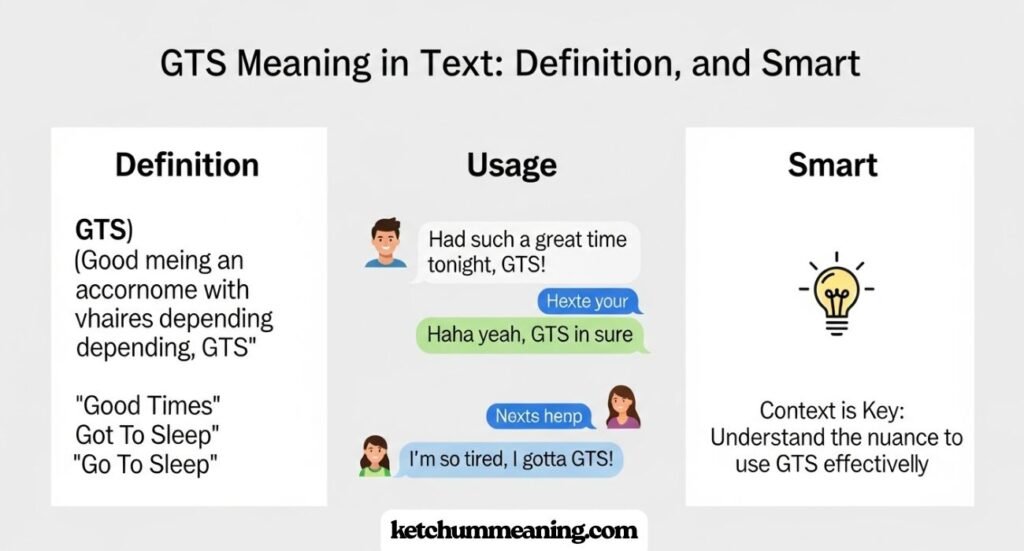
GTS gained popularity because people prefer shorter messages that save time. With busy schedules and constant notifications, many texters choose abbreviations that deliver meaning in seconds. This trend grew rapidly with the rise of quick messaging and mobile-first communication habits across the United States.
As digital slang spread through memes, online communities, and social apps, GTS naturally integrated into everyday conversations. Its simplicity and familiar usage make it easy to understand without explanation. This quick adoption shows how modern texting evolves based on convenience and cultural influence.
Different Ways People Use GTS in Conversation
People use GTS in multiple contexts, but the most common use is signaling bedtime. Friends may send it after a long day, or gamers may use it after late-night sessions. The meaning remains consistent in casual situations, making it a straightforward phrase to interpret.
In some cases, GTS may be sent jokingly or affectionately, depending on the relationship between the people texting. Context always shapes the tone, which is why understanding the relationship matters. This flexibility makes GTS a useful shorthand across various digital conversations.
GTS as a Friendly Reminder to Rest
Friends often use GTS as a gentle nudge when someone appears exhausted or overwhelmed. It works as a caring suggestion rather than a command. The relaxed tone helps keep conversations friendly and supportive, especially during long chats or study sessions.
In late-night texting, this reminder can help someone break away from scrolling or working. Because it’s short and non-serious, GTS communicates care without sounding formal or demanding. This makes it a popular choice among close friends and family.
Avoiding GTS in Professional Communication
GTS is not appropriate in workplace communication because slang may appear unclear or unprofessional. Using full sentences helps maintain professionalism and prevents misinterpretation. Many employees use clearer alternatives such as “Signing off for the night” instead of abbreviations.
Work-related messages often require clarity, especially when dealing with deadlines or instructions. Acronyms like GTS can confuse coworkers who may not understand online slang. Choosing professional language shows respect, strengthens communication, and avoids unnecessary misunderstandings in business environments.
Polite Alternatives to GTS When Texting
When trying to sound polite, people often replace GTS with softer phrases. These include “You should get some rest” or “Maybe try sleeping now.” These alternatives communicate care more clearly, especially when messaging someone who may not understand slang.
Polite alternatives are useful for conversations with acquaintances, classmates, or people outside your close circle. They help maintain a warm tone without sounding abrupt. This approach works well when you want to communicate gently without relying on slang abbreviations.
Casual Alternatives to GTS for Everyday Use
Casual alternatives like “I’m knocking out,” “I’m crashing,” or “I’m heading to bed” work well with friends. These expressions match the relaxed tone of texting and feel natural in daily conversations. They allow more personality than a simple abbreviation.
People often prefer these expressions when they want to add humor or emotion to their messages. Casual alternatives can make conversations feel more expressive and personal. This flexibility gives texters more options depending on mood and relationship.
Why Understanding GTS Matters in 2025
Knowing the meaning of GTS helps people communicate more clearly in today’s fast-paced digital world. With slang constantly evolving, understanding common abbreviations makes texting smoother and avoids confusion. This is especially important for cross-generational communication.
As more acronyms emerge every year, staying familiar with them helps people adapt to modern communication styles. Whether chatting casually or ending a late-night discussion, understanding GTS keeps conversations efficient and accurate. This awareness supports clearer communication for everyone.
FAQs
What does GTS stand for?
GTS usually stands for “Go To Sleep,” but it can also mean “Google That Stuff.” The meaning changes based on the context of the chat.
Is GTS used in text messaging?
Yes, GTS is widely used in texting as a quick shorthand, either to tell someone to sleep or to suggest they search something online.
What is GTS chat?
GTS in chat refers to a casual slang abbreviation that people use to say it’s time to sleep or to look up information themselves.
Is GTS used on social media?
Yes, GTS is common on social media platforms like TikTok, Snapchat, and Discord, where short, fast slang is part of everyday communication.
Final Thoughts
The GTS Meaning in Text helps many people understand fast messages in daily conversations. The slang makes texting easier and saves time for everyone. Many students and adults use “GTS” when they want to say “go to sleep” or when they want someone to search for information. The meaning becomes clear when readers look at the full message. This helps people feel more confident when they chat online.
Understanding the GTS Meaning in Text also helps people use better communication skills. It guides them to know when slang is fine and when polite or professional words are better. People who learn this meaning can avoid confusion and can write stronger messages. This makes texting smoother and more comfortable for everyone.