JS Meaning in Text: What It Really Means
The JS Meaning in Text refers to the phrase “just saying.” It is a simple way to share a thought without sounding too strong. People use it to keep messages light and friendly.
Many readers want to understand modern texting better. Short forms like JS appear everywhere today. Learning them makes communication easier.
The JS Meaning in Text matters in daily chats. People use it in casual talk, online posts, and quick messages. It helps express opinions in a soft and easy way.
What Does “JS” Mean in Texting?
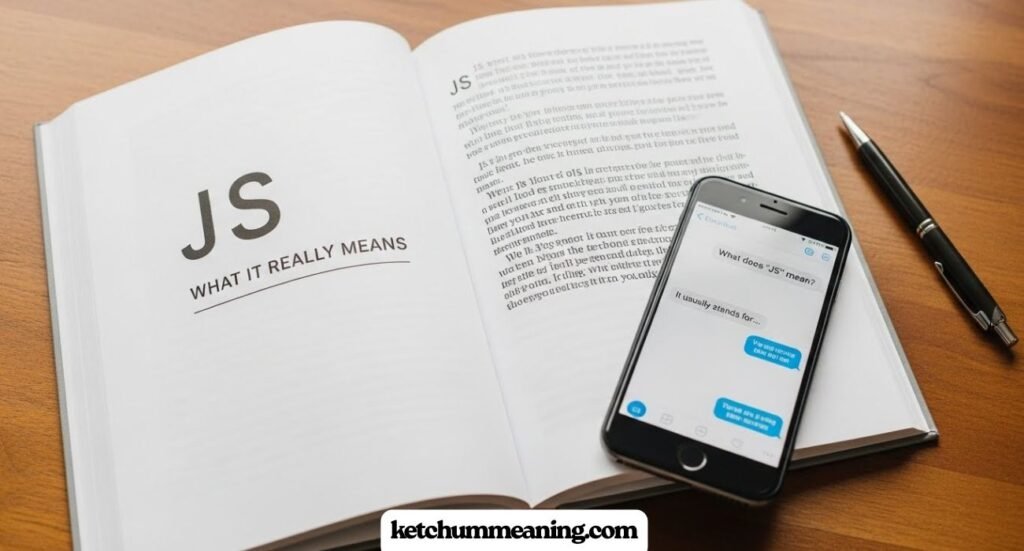
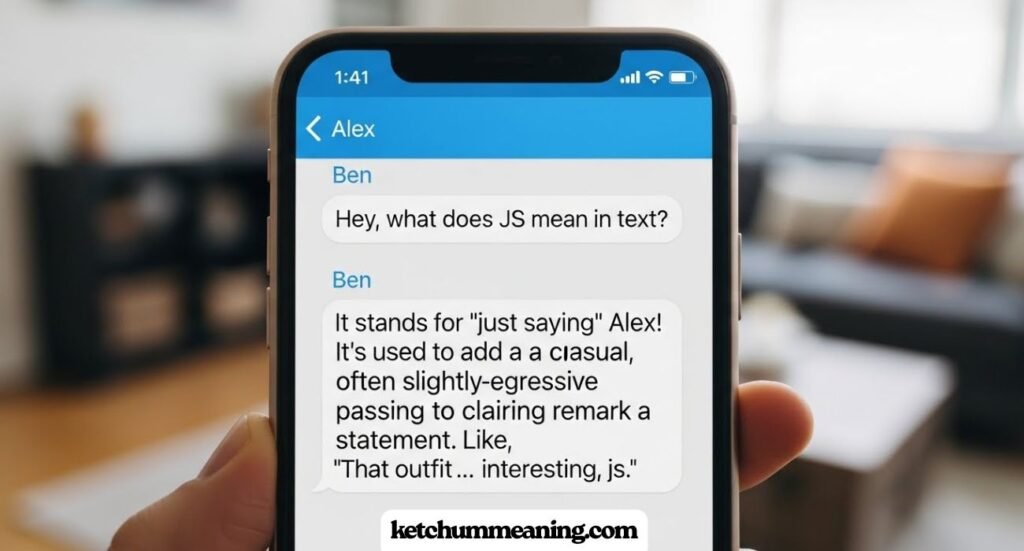
In American texting culture, the JS meaning almost always stands for “just saying.” It is a classic piece of texting abbreviations, widely used as an informal chat phrase to soften the tone of a comment. The just saying meaning creates distance between the speaker and the statement, making the message feel lighter. Many people use it to insert their honest thoughts while avoiding sounding rude, direct, or overly serious. Because of evolving online communication trends, the expression is used not just in casual chats but sometimes in workplace settings, though it should be used carefully in professional contexts.
The phrase often appears in everyday texts, such as telling someone their outfit looks good or mentioning a small observation. It works especially well in situations where you want to offer feedback without sounding bossy or dismissive. In that sense, JS message usage shows how Americans often balance direct communication with friendliness. It also helps prevent misunderstandings by giving people a hint that your tone is not aggressive.
💬 Example:
When a friend spends too much money, someone might say: “You could save a lot if you cut back a bit, JS.” If someone gives a compliment, they might say: “Your new haircut looks amazing, JS.” These examples show how the JS texting meaning is applied as a non-threatening remark, giving room for interpretation while keeping the tone relaxed.
The Nuance Behind “JS”
The meaning of JS is simple, but the nuance behind it depends deeply on tone. Because tone does not always translate easily in text, people rely on texting tone indicators, emojis, punctuation, and context. The same phrase, written with or without emojis, can shift dramatically. A simple “JS” can feel friendly, but adding a period like “JS.” may feel passive-aggressive. This is why some people consider it an example of passive-aggressive texting examples.
The abbreviation can be playful or sarcastic depending on who writes it and how well the recipients know each other. In many cases, the nuance behind JS resembles the American tendency to use humor or indirect language to soften criticism. When people talk about softening criticism in messages, “JS” often appears as a technique that avoids direct confrontation. Because of ongoing online communication evolution, shorthand phrases like this have become markers of tone and attitude in digital conversations.
When Is It Appropriate to Use “JS”?
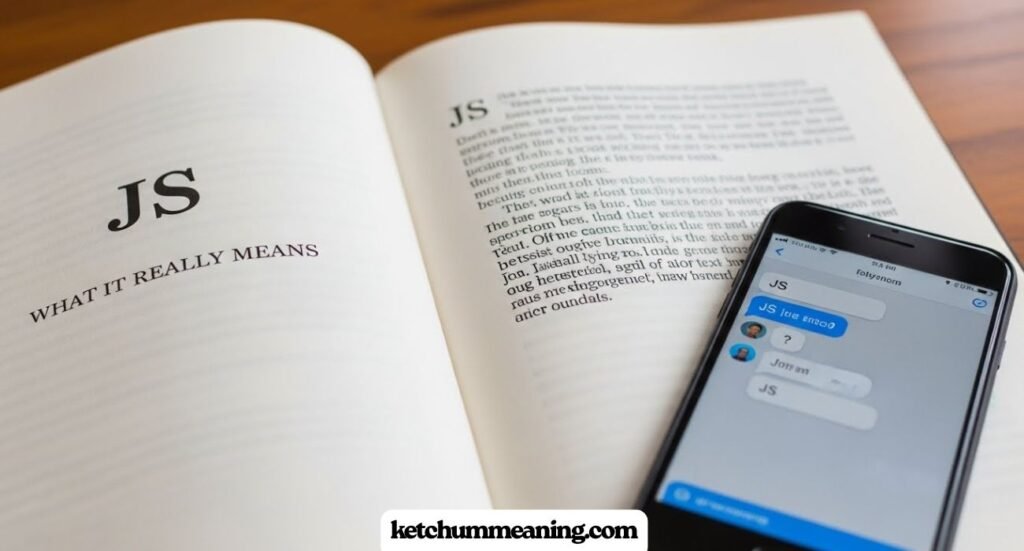
Using “JS” correctly means understanding when your message will be taken as helpful rather than rude. It works well when you share small opinions, give gentle advice, or add commentary during friendly talks. In the context of slang used in social media, people often use “JS” to make posts and comments sound less demanding or serious. When texting friends or engaging in a relaxed group chat, the abbreviation is safe and expected. It fits perfectly into a casual conversation tone where everyone is comfortable with the relationship.
✅ Best Used In:
“JS” is best used when talking with friends, making small observations, offering light-hearted feedback, or expressing opinions in situations where no one is likely to misunderstand your tone. Because it is part of casual texting slang, using it in social spaces generally works well. It also fits in online discussions where informal language is normal, and you want to avoid sounding overly critical.
❌ Avoid Using In:
The phrase becomes risky in professional settings or emotionally sensitive moments. While many people use professional texting language, “JS” does not always translate well in the workplace. It can sound dismissive or sarcastic when discussing serious matters. It should also be avoided in arguments, romantic tensions, or moments that require emotional clarity. In these situations, “JS” may feel disrespectful or unclear, especially for older Americans who are less familiar with shorthand in texting.
Read Also : LFG Meaning in Chat: Definition, Usage, and Alternatives
Polite, Professional, and Casual Alternatives to “JS”
Sometimes, using the abbreviation can cause confusion or misinterpretation. For this reason, many people look for safer alternatives to “just saying” that match different tones. In the U.S., communication style varies between workplaces, generations, and social groups, so knowing when to switch from slang to clarity matters. These alternatives help you avoid misunderstandings while keeping your message respectful.
1. Polite Alternatives
Polite variations include phrases like “just my two cents,” “hope this helps,” or “if I may add.” These expressions create a friendly tone without the risk of being misread as sarcastic. They work well with acquaintances, teachers, neighbors, and people you are not very close to, offering a clear message while sounding supportive.
2. Professional Alternatives
In professional contexts, clarity is more important than text shorthand. People often use phrases like “for what it’s worth,” “from my perspective,” or “something to consider.” These options match American digital etiquette 2025, ensuring your message remains respectful and free of hidden tone. Such alternatives avoid the issues associated with JS vs JavaScript confusion, which sometimes appears in tech-related conversations.
3. Casual Alternatives
In casual spaces, people like playful expressions such as “not gonna lie,” “tbh,” or “just sayingggg.” These phrases mirror the fun nature of shorthand phrases for messaging, keeping the tone relatable and light. Many younger Americans also use emojis or tone indicators to show intention and prevent the message from sounding sharp.
How Tone Changes Everything
The biggest factor in understanding “JS” is tone. Even though the JS internet slang stands for a simple concept, the tone can shift dramatically depending on punctuation, emojis, or timing. For instance, writing “JS” after a joke can express humor, but writing “JS” after a corrective statement can feel judgmental. When people communicate through text rather than voice, meaning must be inferred through context and emotional cues.
Because Americans rely on quick, shorthand in texting, misunderstandings are common. Older generations may read “JS” as rude, while younger people interpret it as playful. Cultural background also matters, especially in households with bilingual texting expressions where the meaning may shift depending on social norms. Understanding tone helps you use the abbreviation in a way that prevents confusion or emotional discomfort.
12 Top-Tier Ways to Reply to “JS”
Responding to “JS” depends on your relationship and how the message feels. Some replies show gratitude, while others clarify boundaries or indicate disagreement. Here are responses that work well in U.S. digital culture in 2025.
1. “Appreciate the honesty.”
2. “Noted. Thanks.”
3. “Fair point.”
4. “I see what you mean.”
5. “Oh really? JS too 😄”
6. “I’ll keep that in mind.”
7. “Was that necessary?”
8. “Glad you said it.”
9. “Don’t hold back 😅”
10. “Constructive feedback taken.”
11. “Noted, but there’s more context.”
12. “Your opinion is valid, even if I disagree.”
Each response matches a different emotional tone. For example, “Was that necessary?” fits when the JS message usage feels harsh, while phrases like “Fair point” support friendly dialogue. These responses help set boundaries, show appreciation, or maintain the flow of a conversation without escalating tension.
Cultural and Generational Use of “JS”
The meaning of JS from a guy, a friend, or a coworker changes depending on generational norms. Gen Z often uses “JS” in humorous or sarcastic ways, while Millennials may use it to soften their opinions. Gen Alpha uses it heavily in online gaming and video content. Older Americans, however, sometimes misunderstand the tone because they are less familiar with online communication evolution.
Cultural backgrounds also influence how “JS in conversations” is interpreted. In Spanish-speaking communities, the JS Spanish meaning can match the English version, though sometimes it is taken more literally. Because of growing amounts of Spanish internet slang mixing with English, bilingual households may use “JS” differently. Understanding these differences helps prevent communication issues across age groups and cultures.
When NOT to Use “JS”
There are moments when using “JS” can harm your message. Avoiding the abbreviation during serious or emotional conversations is essential, because the phrase can sound dismissive or mocking. It should also be avoided during relationship disagreements, workplace feedback, or sensitive discussions. For people unfamiliar with slang used in social media, the phrase may come across as disrespectful.
People should also avoid using “JS” when the message contains important information that must be clear. In such cases, relying on direct language prevents confusion. Understanding these boundaries helps maintain healthy communication while respecting emotional tone and social context.
The Power of Clear Communication
Clear language is a powerful tool in digital conversations. Although shorthand abbreviations like “JS” make texting faster, they sometimes complicate emotional clarity. Because Americans use many abbreviations across different apps, knowing when to use or avoid them can shape the quality of a conversation. When people understand texting abbreviations and meanings, they become more effective communicators.
Choosing clarity over shorthand strengthens friendships, relationships, and workplace interactions. Even though “JS” is useful for softening opinions, knowing when to choose full sentences ensures your message sounds respectful and honest. As digital etiquette 2025 continues to evolve, clarity remains the foundation of strong communication.
Read Also : FW Meaning in Text – What It Stands For and How to Use It
Understanding the Core Meaning of JS in Text
“JS” is a common texting abbreviation that stands for “just saying,” often used to soften a message or add a casual tone. Many people use it when they want to share an observation without sounding harsh or overly direct. It has become widespread in modern digital communication.
Because people communicate quickly using phones and social media, “JS” helps express thoughts without long explanations. It has also grown popular due to online communication trends, where short expressions dominate conversations. Today, it remains one of the most recognized shorthand phrases in messaging.
Why People Use JS in Digital Conversations
People use “JS” to create a softer or friendlier tone in messages. Instead of sounding demanding or critical, the abbreviation helps deliver thoughts gently. Many enjoy its simplicity because it fits easily into quick text-based communication. It adds personality while keeping messages casual and light.
The phrase also helps avoid misunderstandings, especially when tone is unclear. Without facial expressions or voice, people rely on small cues like “JS” to show intention. It signals that the message isn’t meant to offend and encourages more relaxed communication between friends, coworkers, or acquaintances.
How JS Changes Tone in Texting
The presence of “JS” at the end of a message can completely shift how it is interpreted. A sentence that might sound blunt becomes more playful or thoughtful. People often use it to avoid sounding rude, which makes it especially helpful in sensitive conversations where tone matters.
Sometimes the abbreviation can also come across as sarcastic, depending on context. Younger users tend to understand these subtle tone shifts more easily, while older generations may misread them. Understanding tone differences helps prevent confusion and keeps conversations smooth and respectful.
JS in Casual vs. Professional Communication
In casual conversations, “JS” fits naturally and feels appropriate among friends and peers. People use it in group chats, social media comments, or friendly debates. It keeps the atmosphere relaxed and signals that comments shouldn’t be taken too seriously.
In professional communication, however, “JS” should be used sparingly. Some coworkers may interpret it as unprofessional or unclear. Instead of relying on shorthand, direct language is often better in workplace settings to maintain clarity and prevent misinterpretation during important discussions.
Alternatives to JS for Clearer Messaging
Many people use alternatives like “just my opinion” or “just my two cents” when they want to be clearer. These phrases offer a similar tone without sounding overly casual. They work especially well in more formal or sensitive conversations where clarity matters.
Expressions like “for what it’s worth” or “something to consider” also offer the same softening effect. These alternatives help avoid confusion and are better for mixed-age groups or professional environments. Choosing your words carefully ensures your tone is understood correctly.
Common Misinterpretations of JS
Some people see “JS” as passive-aggressive when they feel the message carries hidden meaning. Without voice tone, messages can seem sharper than intended. This misunderstanding is common in disagreements, where the abbreviation may feel like a subtle jab rather than a soft comment.
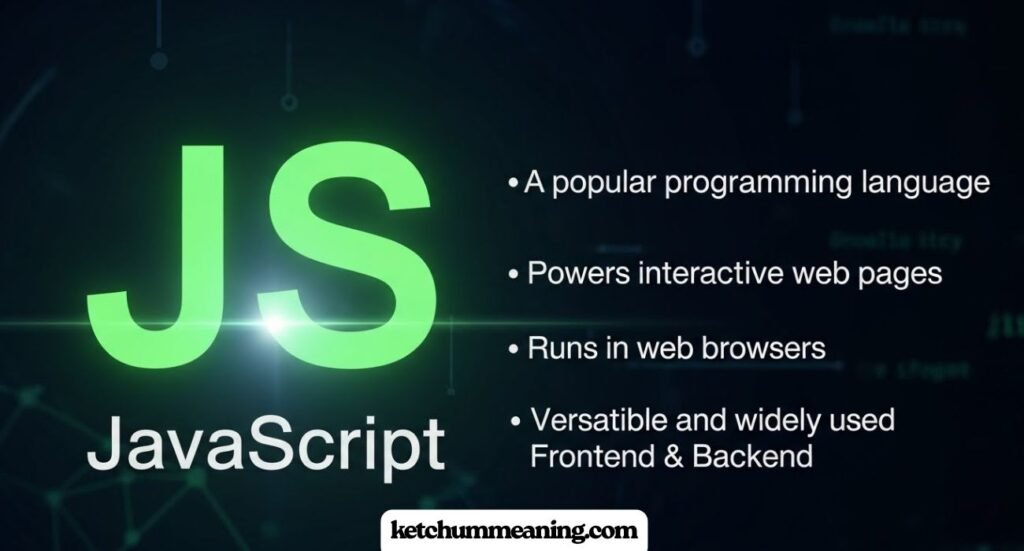
Others may confuse “JS” with unrelated terms such as “JavaScript,” especially in technology-related conversations. Understanding your audience helps avoid confusion and ensures your message is interpreted correctly. Clarity makes communication easier and prevents unnecessary tension or misreading.
Generational Differences in Using JS
Younger generations often use “JS” freely and understand the playful tone it creates. They use it regularly in social apps, chats, and comments. For them, the abbreviation is natural and fits well into quick, casual communication styles common in digital spaces.
Older generations may not always understand the abbreviation or may misinterpret it. Some read it as dismissive or sarcastic because they are less familiar with texting shorthand. Being aware of these generational differences helps tailor your communication to different audiences.
When You Should Avoid Using JS Altogether
There are moments when “JS” can make situations worse, especially during emotional or serious conversations. In these cases, the abbreviation may come across as insensitive or dismissive. Clear and direct communication is always better when the topic is important or sensitive.
You should also avoid using it when giving professional feedback or resolving conflicts. Shorthand may confuse your message or reduce its seriousness. Choosing clear, complete sentences makes your communication stronger and prevents any misunderstanding that could escalate the situation.
FAQs
What does JS mean in text?
JS means “just saying”, used to soften a remark.
It makes the message sound more casual instead of harsh.
Does just mean JS?
Yes, JS is the shortcut for “just saying.”
People use it to express a thought without sounding too direct.
What does JS JS mean in text?
“JS JS” means “just saying, just saying.”
It’s used to emphasize a point or add playful tone.
What is “j’s” slang for?
“J’s” is slang for Air Jordan shoes.
In some contexts, it can also mean joints, depending on usage.
Conclusion
The JS Meaning in Text helps many people understand how modern conversations work. It shows how a short word can change the tone of a message. JS lets someone share an opinion in a soft and simple way. It also helps people avoid sounding rude. Many students and adults use JS every day in messages, social media, and chats. The meaning is easy to learn, and it is useful in friendly talks.
Knowing the JS Meaning in Text also helps people communicate clearly. It teaches them how to express ideas with care and respect. Good communication builds trust and avoids misunderstandings. When people use JS correctly, their messages feel lighter and more polite. This makes texting easier and more comfortable for everyone.