SFS Meaning in Text: Definition, Usage, and Alternatives
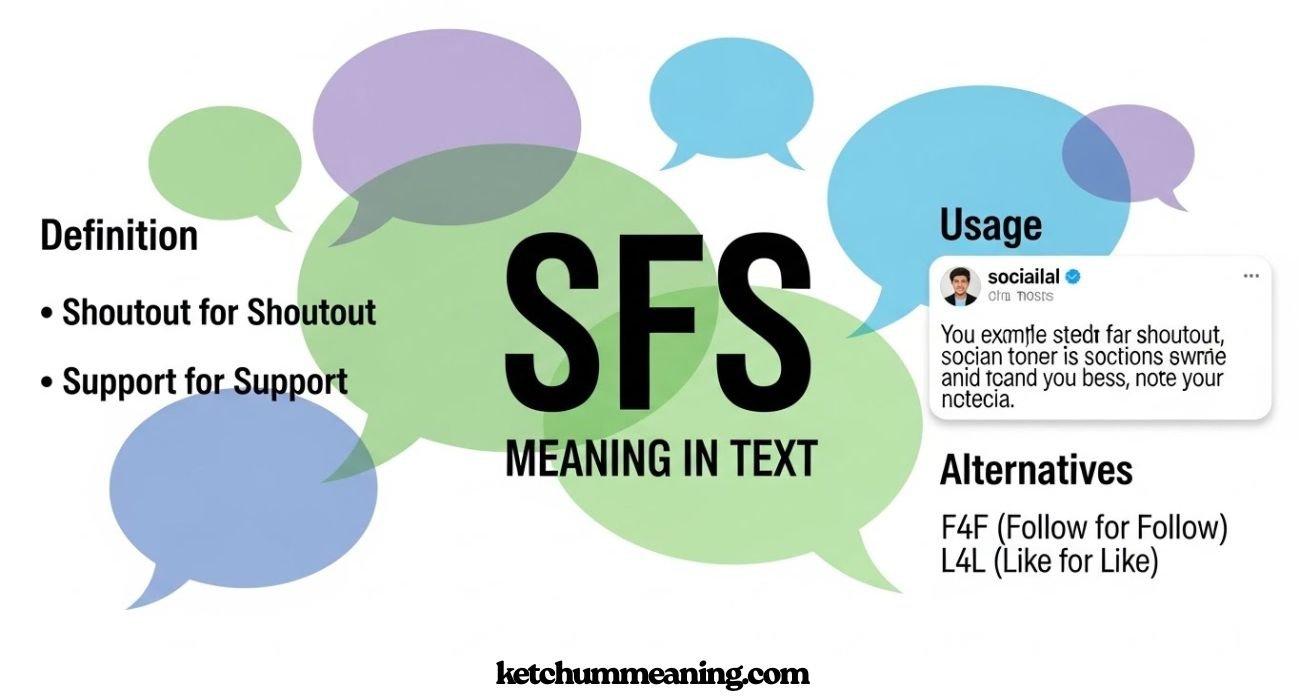
SFS Meaning in Text describes a short online term that people use in messages and social media. It usually means Shoutout for Shoutout, which is a way for two users to promote each other. Many people use it to grow their pages and stay active online.
This term appears everywhere on apps like Instagram and Snapchat. Many students and young users see it every day. They want a quick way to understand what it means so they can reply correctly.
The SFS Meaning in Text also includes other meanings like Snap for Snap and Support for Support. These meanings change based on the platform. Learning them helps users communicate clearly and confidently.
What Does SFS Mean in Text?
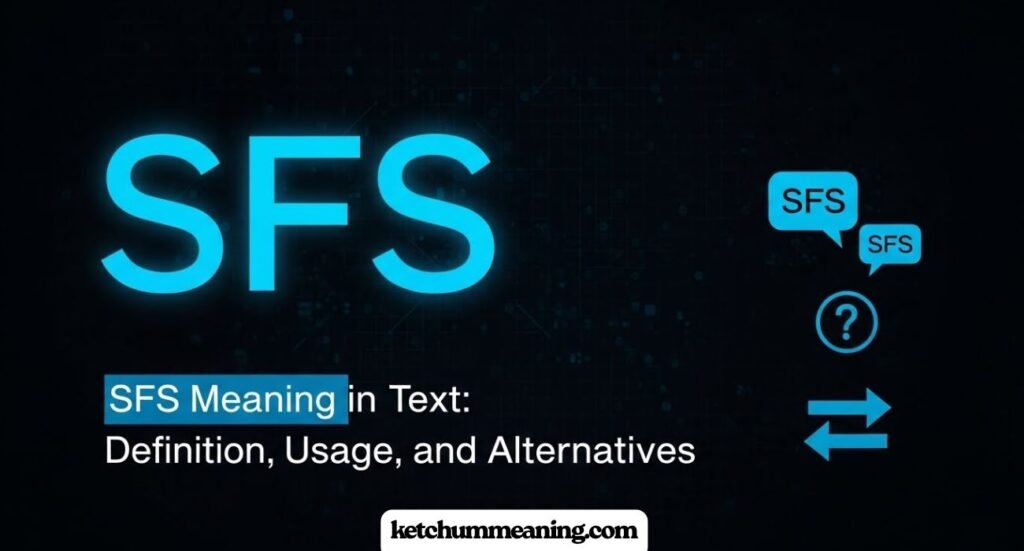
When people ask what does SFS mean in text, the most common and widely accepted definition is “Shoutout for Shoutout.” This phrase appears across SFS social media spaces, especially on Instagram, Snapchat, TikTok, and creator-focused communities. The idea behind Shoutout for Shoutout is simple: two users agree to promote each other so both can grow. This is a form of mutual promotion, and it aligns with modern follower growth methods used by influencers, small businesses, or creators in the USA.
The rise of SFS slang is tied to viral content culture. As social media platforms reward engagement, creators must find new ways to expand their visibility. A shoutout exchange allows both sides to share each other’s content, profile, or username so they can attract new followers organically. Many people also use SFS as part of content promotion strategies, especially in niche communities where trust and support matter.
Other Popular Meanings of SFS in 2025
Although Shoutout for Shoutout is the primary SFS definition, the acronym has multiple meanings depending on the platform, region, and personal communication style. In 2025, the USA continues to see several alternative interpretations used in different communities. One of these is Snap for Snap, a phrase especially popular on Snapchat. When two users want to exchange snaps, maintain streaks, or increase interaction, one might message “SFS?” meaning “send me a snap and I’ll send one back.” Because Snapchat is designed around visual sharing, this definition fits naturally into Snapchat slang terms.
Another meaning gaining popularity among online creators is Support for Support. In this version, SFS expresses a mutual encouragement agreement. Small businesses, gamers, and even artists in the United States use SFS to signal partnership and shared growth. This aligns with the values of community-driven platforms where cooperation matters. Other more casual meanings such as “So Freaking Sweet” appear in playful conversations, especially when reacting to something cute or emotional. With the rapid evolution of online slang 2025, Americans find creative ways to adapt common acronyms.
These alternative meanings show how acronyms in digital culture evolve over time. Because platforms shape communication, one acronym can take on multiple roles depending on who uses it. Understanding the meaning requires looking at the context, tone, and type of conversation.
SFS Meaning in Text Snapchat
The SFS Snapchat meaning plays one of the biggest roles in the acronym’s popularity in the United States. Snapchat’s design encourages fast, visual communication with streaks, snaps, and stories. Teenagers and young adults, who dominate this platform, rely heavily on casual texting acronyms, short responses, and visual cues. In this space, SFS can mean both Shoutout for Shoutout and Snap for Snap, but many Snapchat users actually treat Snap for Snap as the primary meaning.
If someone sends “SFS?” on Snapchat, they may be asking you to send a snap in exchange for theirs. This helps maintain streaks, increase engagement, or build closer connections. However, the promotional form of SFS also appears frequently. Many users ask for story shoutouts, hoping friends will share their content to boost visibility. Because Snapchat is known for fast-paced communication, quick slang like SFS becomes essential.
Snapchat has also become a major hub for visually oriented social media engagement tactics. When influencers want to grow their reach, a story-based shoutout exchange can be very effective. Younger Americans especially understand that SFS is a tool for both friendship and promotion.
SFS Meaning in Text from a Guy
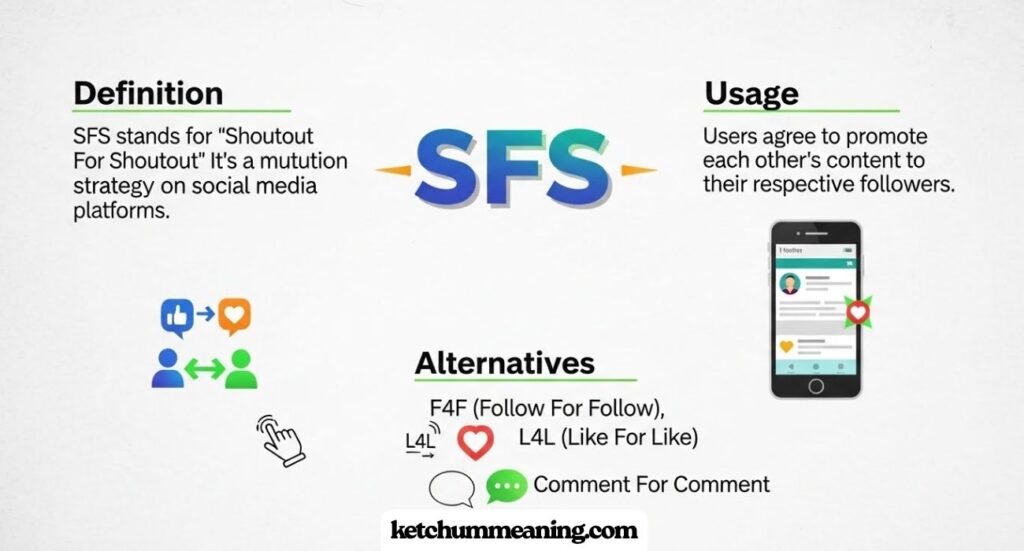
Understanding the SFS from a guy meaning can depend heavily on tone and platform. When a guy texts SFS on Snapchat or Instagram, he typically means either Shoutout for Shoutout or Snap for Snap, especially if he is active on social media or enjoys exchanging visuals. In more casual texting, a guy might simply be encouraging a snap exchange or a playful conversation. Sometimes, the context can suggest he wants more interaction or wants to maintain a streak.
On SMS or WhatsApp, the meaning can shift. If a guy uses SFS in a casual conversation unrelated to social media, he might be using one of the emotional interpretations like “So Freaking Sweet.” On the other hand, if he is part of a gaming or business community, he might use the Support for Support version. Tone matters heavily. The best way to understand SFS from a guy is by paying attention to the platform and the surrounding message.
SFS Meaning in Text Urban Dictionary
Looking at the SFS Urban Dictionary definition helps capture the cultural evolution behind the acronym. Urban Dictionary describes SFS as Shoutout for Shoutout, Snap for Snap, or Spam for Spam, reflecting how users exchange engagement to grow popularity. Because Urban Dictionary collects user-submitted meanings, it often reflects how American youth actually use slang in real conversations. This crowdsourced approach helps identify how slang shifts, spreads, and adapts.
Urban Dictionary entries often highlight humor and exaggeration, so meanings like “So Freaking Sweet” also appear. This reminds us that slang is flexible and shaped by cultural trends. While Urban Dictionary isn’t formal, it captures texting shorthand meanings and the overall direction of modern influencer slang.
Read Also : TB Meaning in Text: Definition, Uses, and Modern
SFS Meaning in Text Message
When someone asks about SFS in text message contexts, the meaning usually depends on whether the conversation is related to social media. In traditional SMS messages, SFS can still mean Shoutout for Shoutout, but more often it shifts into emotional or casual forms like “So Freaking Sweet.” If someone sends a cute picture, for example, responding with “SFS” can indicate a positive emotional reaction. Because texting outside social media is more conversational, the term becomes more flexible.
When SFS appears in group texts involving creators, businesses, or online friends, the SFS definition returns to the promotional version. In these cases, SFS still signals a desire for mutual visibility or collaborative growth. As texting continues to merge with internet culture in the USA, the lines between social media slang and everyday texting slang become increasingly blurred.
SFS Meaning in Text WhatsApp
The use of SFS in WhatsApp is less common in the USA than on Instagram or Snapchat. WhatsApp tends to attract older users, group chats, international connections, and work-related communication. However, SFS does appear occasionally. When it does, it usually reflects either Shoutout for Shoutout in creator communities or the emotional interpretation of “So Freaking Sweet.” Users communicating with international friends may also see variations based on region.
Because WhatsApp is more text-driven than visual, SFS is not as central to the platform’s culture. Still, its presence shows how widely American slang spreads across messaging platforms. As more people join global digital conversations, shortcuts like SFS become part of everyday communication.
Why Is SFS So Popular in Texts and Social Media?
The popularity of SFS across the USA comes from several cultural and technological factors. First, Americans value convenience, and short acronyms help speed up communication. Second, the growth of the creator economy has made mutual promotion more important than ever. Influencers, small businesses, and personal brands use SFS to share audiences and reach new followers quickly. Because social platforms reward engagement, SFS becomes a strategic tool rather than just slang.
The widespread use of smartphones also plays a role. Americans constantly send messages, comment on posts, and view stories, so shortcuts like SFS help save time. Another factor is the rise of Gen Z texting slang and acronyms in digital culture, which encourages short, expressive forms of communication. As people look for quick ways to communicate feelings, requests, and actions, SFS fits perfectly.
Polite, Professional, and Casual Alternatives to SFS

While SFS works well in informal online spaces, it may not always be appropriate in professional or structured environments. This is why understanding SFS alternatives matters. Each communication setting requires a different tone, and the USA places great emphasis on clear and respectful communication, especially in business or public relationships. The alternatives help adapt the meaning of SFS without sounding too casual.
1. Casual Alternatives (Friends, Social Media, Informal Texting)
When communicating with friends or interacting casually on social media, SFS can be freely replaced with simple and friendly phrases. Expressions like “Wanna trade shoutouts?” or “Snap for Snap?” help maintain the meaning of the acronym without losing the relaxed tone. Many American teens prefer casual alternatives that fit into everyday texting styles. These phrases still reflect social media shorthand while remaining easy to understand.
2. Polite Alternatives (Semi-formal situations, small communities)
In settings that require friendliness but also politeness, such as community groups, online clubs, or small business circles, the language should be a bit more thoughtful. Phrases like “Would you like to exchange support?” or “Happy to share your profile if you would like to share mine” communicate the same idea but in a softer tone. These alternatives are great when building trust in small networks or communities where relationship quality matters.
3. Professional Alternatives (Business, Influencer Marketing, Networking)
In professional environments, using SFS may look unpolished. Instead, phrases like “Let’s collaborate on Cross-promotion” or “Are you open to a mutual visibility opportunity?” sound more business-friendly. Professional creators and marketers rely heavily on social media collaboration terms, so these alternatives align well with American business culture. They maintain clarity, highlight professionalism, and still convey the intention behind SFS in text.
Nuances of Tone: Choosing the Right Version of SFS
Tone plays a significant role in communication across the USA. The meaning of SFS shifts depending on whether you are texting a friend, messaging a colleague, or interacting with a brand. A casual tone supports the slang version, while professional environments require full phrases and clear communication. For instance, sending “SFS?” to a business partner may feel abrupt, while the same message to a friend feels natural.
Understanding tone ensures your message is interpreted correctly. Younger generations tend to use SFS casually, while adults may lean toward more descriptive phrasing. The platform also affects tone. Snapchat encourages playful messaging, while WhatsApp leans toward more structured communication. Recognizing which tone fits the situation prevents misunderstandings and enhances communication flow.
10 Examples of SFS in Different Contexts
The easiest way to understand how SFS in text works across American digital spaces is through examples. The acronym shows up in many types of conversations, each with its own tone. For example, a teenager might message a friend saying “SFS? I’ll post your story” while a creator might write “Doing SFS today; message me to participate.” Gamers might say “SFS with teammates today” to boost stream visibility. Influencers often use SFS with followers to increase engagement. In emotional contexts, someone might react to a cute pet photo by saying “That’s SFS,” meaning “So Freaking Sweet.”
These examples reveal how flexible the acronym becomes when used in real situations. Whether for promotions, friendships, or reactions, SFS adapts based on context.
Why Context Matters in Using SFS
Context determines the meaning of SFS more than anything else. The platform, the relationship between users, and the tone of the conversation all influence interpretation. For example, sending SFS in a job-related message can feel unprofessional, while using SFS on Instagram stories looks appropriate. Understanding context prevents confusion, especially when acronyms carry multiple meanings.
Another reason context matters is generational differences. Younger Americans use social media abbreviations frequently, while older generations may interpret them differently. Clear communication depends on knowing when and where slang fits. When context is ignored, misunderstandings become more likely.
The Future of Acronyms Like SFS in 2025 and Beyond

The future of acronyms like SFS is closely tied to evolving digital habits. As more Americans use mobile messaging, quick acronyms will remain popular. However, professional spaces are shifting toward clearer communication, meaning many creators prefer full phrases such as “Cross-promotion.” Younger generations will continue using slang creatively, while AI-powered platforms may begin auto-interpreting slang in real time.
Experts predict that American slang will continue blending visuals, emojis, and text-based shortcuts. Because SFS applies to both relationships and promotion, it is likely to remain relevant far beyond 2025. As communication systems become smarter, understanding slang like SFS will help users stay connected, informed, and culturally aware.
Understanding SFS in Modern Texting
SFS is a common acronym used in online conversations to signal exchange-based interactions. Many people use it to grow visibility on social media platforms. The phrase often appears when someone wants a quick engagement boost or a simple mutual interaction. Its meaning depends heavily on where it is used.
In texting, SFS usually stands for “Shoutout for Shoutout,” but variations exist depending on the platform. Because it is popular among younger users, it often appears in casual conversations. Understanding the context ensures you respond correctly and avoid misunderstandings during digital communication.
Why SFS Became Popular in 2025
The rise of social media collaboration and rapid communication made SFS more widespread in 2025. People rely on short messages and acronyms to express ideas quickly. This trend supports faster online interactions and encourages users to participate in engagement exchanges effortlessly.
SFS grew stronger with influencers and small creators seeking mutual growth. Many communities encourage SFS to maintain active profiles and promote each other’s content. This helped the acronym spread across different platforms, becoming a common shorthand term in everyday digital language.
Read Also : RS Meaning in Text (2025 Guide): Understanding
How SFS Works on Snapchat
On Snapchat, SFS usually means “Snap for Snap,” encouraging users to exchange snaps for engagement. It helps maintain streaks, increase views, and strengthen connections. Many users send the acronym directly in chat to initiate a simple mutual exchange.
The meaning is platform-specific, so Snapchat users understand SFS differently than Instagram or text messages. Because Snapchat emphasizes daily interaction, SFS feels natural and automatic. Users can grow visibility by sending each other snaps without much effort, making it a popular engagement strategy.
Using SFS on Instagram
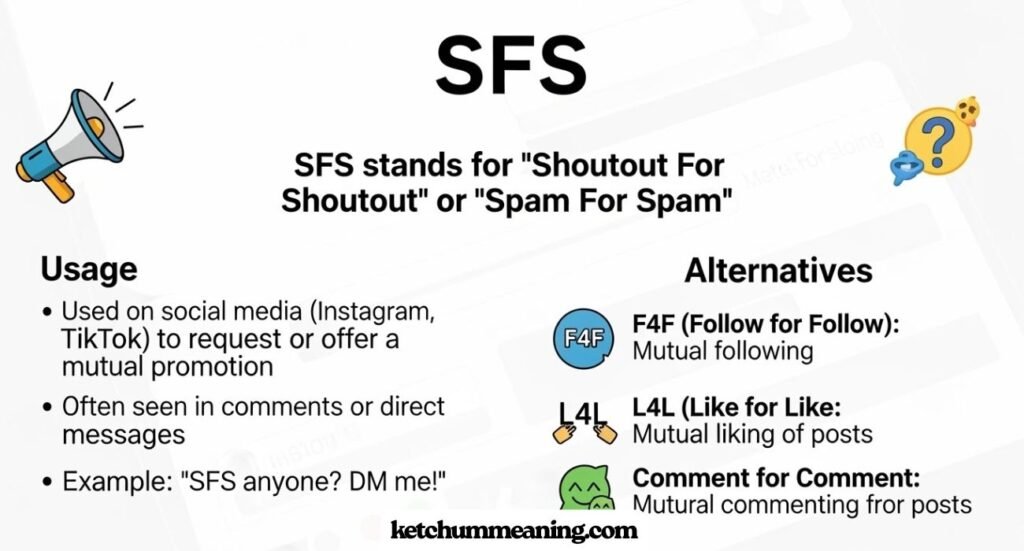
Instagram users interpret SFS as “Shoutout for Shoutout,” focusing on mutual promotion. Creators exchange stories or posts to help each other gain followers. This strategy allows small accounts to reach new audiences quickly with minimal effort.
Because Instagram prioritizes visibility and engagement, SFS remains useful for collaboration. Many influencers use it to support friends or promote products. When done respectfully, it strengthens online relationships and helps profiles grow naturally through shared audiences and supportive interactions.
SFS in Casual Text Messages
In everyday texting, SFS may appear when friends want support or attention for something. The meaning shifts depending on the relationship and conversation. Some people use it for simple favors, while others use it to signal a mutual exchange.
Because texting has fewer rules than specific platforms, the meaning might be unclear without context. Asking politely for clarification helps avoid confusion. The acronym remains popular because it is fast to type and fits naturally into casual digital communication.
When SFS Means “Support for Support”
Some communities use SFS to mean “Support for Support,” especially in groups focused on motivation or shared goals. The phrase encourages members to help one another consistently. It creates a friendly environment and promotes teamwork through simple reciprocal actions.
This meaning is common in message groups, hobby clubs, and online communities. People use it to boost morale or show encouragement. Because it is easy to understand, the term spreads quickly among group members and becomes part of their communication culture.
Why Context Matters When Using SFS
SFS can mean different things depending on who uses it and where it appears. Understanding context prevents misunderstandings and ensures smooth communication. A single acronym can shift meaning across platforms and relationships, so paying attention is important.
Without context, SFS might confuse the reader or cause miscommunication. If you are unsure, a quick question helps clarify the intention. Knowing the meaning improves digital conversations and strengthens your understanding of modern texting behavior.
Alternatives to Using SFS
Many users prefer alternatives to SFS to keep their messages clear. Phrases like “Let’s exchange shoutouts” or “Can we support each other?” feel more natural in certain settings. These expressions prevent confusion and promote respectful digital communication.
Using alternatives can help you sound more professional or friendly depending on the situation. Some people avoid acronyms to maintain a clearer tone, especially in semi-formal chats. Choosing the right wording creates better interactions and reduces misunderstandings.
FAQs
What does SFS mean in text?
SFS in text usually means “Shoutout for Shoutout” or “Support for Support,” referring to a simple mutual exchange. It’s mainly used to ask for engagement or help.
What is the SFS on Instagram?
On Instagram, SFS means “Shoutout for Shoutout,” where two users promote each other’s profiles or posts. It helps both accounts grow visibility and followers.
How to do SFS on Snapchat?
On Snapchat, SFS means “Snap for Snap,” where users exchange snaps to increase engagement. You can simply send someone a snap with “SFS” to begin the exchange.
Is SFS used in SMS texting?
Yes, SFS is used in SMS texting and usually means “Shoutout for Shoutout” or “Support for Support.” The exact meaning depends on the context of the conversation.
Conclusion
The phrase SFS Meaning in Text helps many people understand a simple idea in online communication. It explains how users ask for quick support, shoutouts, or small exchanges on different platforms. Students, teens, and adults use this acronym every day. It gives people a fast way to grow online connections. It also helps users stay active on apps like Instagram, Snapchat, and WhatsApp.
SFS creates a friendly style of communication when people want equal support. Many young users learn this acronym early because it appears everywhere in social media. Understanding the SFS Meaning in Text gives people more confidence when they read online messages. It also helps them choose the right reply and communicate clearly in digital spaces.