WYO Meaning in Text: Definition, Usage, and Best Alternatives
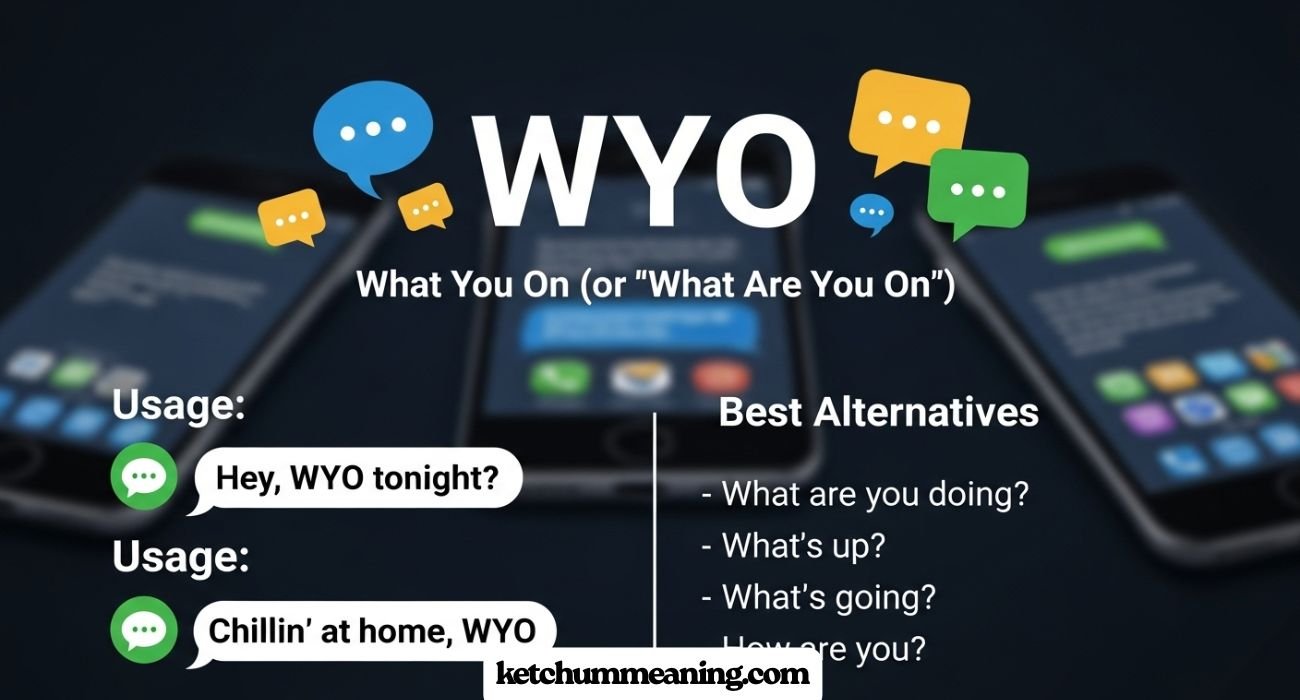
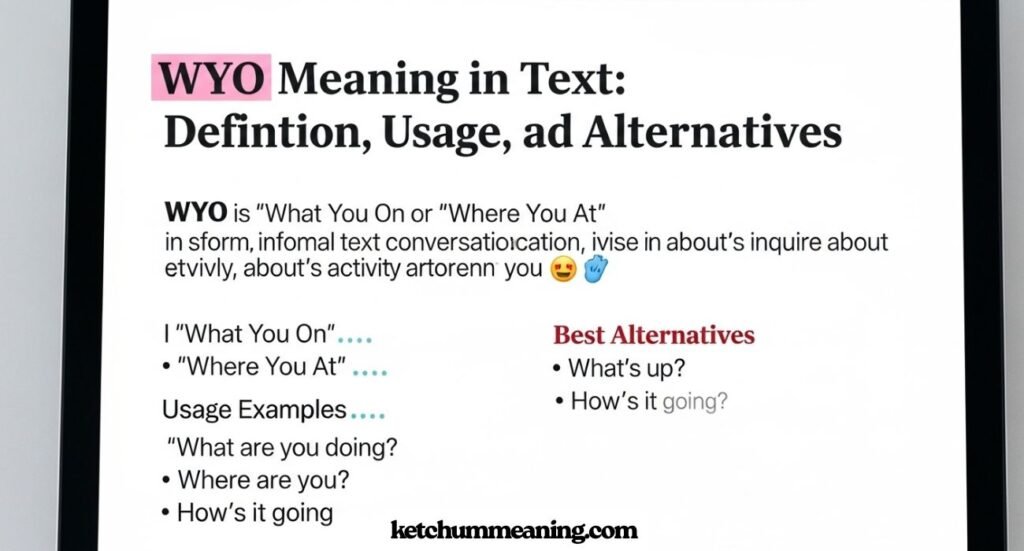
WYO Meaning in Text tells you what the other person plans to do. It stands for “What You On.” People use it in casual messages every day.
Many students see WYO in chats and feel confused. The term looks simple but feels new. Clear meaning helps the reader stay involved.
WYO Meaning in Text appears in friendly online talks. It helps people start quick conversations. You see it often when friends check on each other.
What Does WYO Mean in Text?
In the simplest terms, WYO stands for “What You On?”, which translates to “What are you doing right now?” or “What’s going on with you?” This WYO texting abbreviation is commonly used in the United States among teens, young adults, and even Millennials who have become comfortable with hybrid texting culture. The phrase is part of modern slang 2025, where people mix casual English with short forms to communicate quickly.
While the WYO slang meaning stays mostly the same across the U.S., its tone changes depending on the relationship between the people texting. Someone might ask “WYO?” as a friendly check-in, a flirty opener, or a way to start a hangout plan. Because of this versatility, understanding the what you on meaning helps you correctly interpret WYO in text messages, especially when deciding how to respond.
A simple comparison helps clarify the phrase:
| Text Phrase | Meaning | Formality |
| WYO | What you on? | Very informal |
| WYD | What are you doing? | Informal |
| What’s up? | General check-in | Neutral |
| What are you doing today? | Direct question | Polite |
| What’s on your schedule? | What’s planned? | Professional |
This table shows how WYO vs what are you doing differs in tone and intention. WYO sits firmly in casual American texting and isn’t suited for business or school environments.
Why Do People Use WYO?
Americans use WYO in conversation because it is fast, friendly, and flexible. In an era shaped by digital communication trends, people want expressions that match the speed of texting. Instead of typing a full sentence, they use conversational shortcuts like WYO, WYD, LMK, and BRB. The rise of Gen Z slang has amplified this shift, normalizing quick abbreviations across all social platforms.
Another reason people love WYO is its emotional simplicity. It acts as a light social check-in phrase without forcing a long discussion. Many Americans use it to reconnect with friends, casually start a conversation, or check whether someone is free to hang out. In this way, the WYO acronym creates a relaxed communication bridge that feels more personal than a formal greeting.
Nuances of Tone: How WYO Can Sound in Text
The WYO tone can change drastically depending on punctuation, emojis, and timing. Texting is heavily influenced by tone in text messages, and people often misread short phrases because written communication lacks facial expressions. For example, “WYO?” with a question mark feels friendly, but “WYO.” with a period may come across as annoyed or blunt.
A flirty version appears when someone adds heart emojis or playful wording. This is where many readers wonder, “Is WYO flirty?” In romantic situations, yes. For example, WYO meaning from a guy might indicate interest or an invitation to hang out. WYO meaning from a girl could show curiosity or affection and often pairs with emojis to make the intention clear.
A useful quote from a digital communication expert explains why tone changes meaning:
“Short forms like WYO rely on context. The fewer the words, the more important the situation becomes.”
Understanding message tone interpretation is crucial for avoiding miscommunication in online messaging slang.
Read Also : GTS Meaning in Text: Definition, Usage, and Smart
Professional vs. Casual Use
While WYO is common in American texting culture, it should almost never appear in professional spaces. The U.S. workplace expects clear and respectful communication, making professional alternatives to slang a better choice in emails, Slack messages, or school settings. Using slang like WYO may be seen as careless or immature, especially when talking to managers, professors, or clients.
In casual settings, WYO fits naturally. Friends texting after work, siblings checking in, or people planning weekend outings often use WYO to maintain a casual messaging tone. This balance between casual vs formal messaging is part of modern U.S. communication etiquette. Knowing when to use WYO helps avoid misunderstandings and maintain credibility in both personal and professional interactions.
Alternatives to “WYO” in Different Contexts
There are many What’s up alternatives and What are you doing alternatives that fit different tones. In 2025, people choose alternatives based on who they’re talking to and what mood they want to create. These alternatives help maintain the right level of politeness, friendliness, or professionalism depending on the situation.
Casual Alternatives
Casual conversations allow more freedom and creativity. People often use casual texting phrases to start conversations with friends or significant others. Options like “What’s up?”, “What’s going on?”, or “What are you doing?” are simple ways to open a chat. These alternatives feel natural and are common in texting language examples across social apps.
Friendly & Polite Alternatives
Polite alternatives work well for acquaintances, neighbors, or anyone you don’t know very well. These include “How are things going with you?” or “How’s your day looking?” These phrases match a gentle tone and avoid sounding too abrupt. In the U.S., polite phrasing is appreciated because it respects personal boundaries while keeping the conversation warm.
Professional Alternatives
At work or school, clear phrasing is key. Sentences like “Any updates on your end?” or “What’s on your schedule today?” show you understand how to text professionally. These phrases sound organized and respectful and reflect proper workplace etiquette. They also prevent awkward misunderstandings that may occur when using slang around supervisors or colleagues.
10 Real Examples of WYO in Text
Understanding WYO examples helps you navigate real-world conversations. These cases highlight differences in tone, intention, and emotional meaning. A friend might send “WYO??” to express excitement, while a flirty partner might send “WYO tonight?” with emojis. Each example shows how Americans adapt the phrase for different purposes.
Here are ten scenario-based examples:
| Scenario | Example | Implied Tone |
| Friends | “Hey, WYO?” | Friendly |
| Weekend plans | “WYO on Saturday?” | Planning |
| Check-in | “WYO, haven’t heard from you.” | Caring |
| Flirty | “WYO tonight?” ❤️ | Romantic |
| Group chat | “Yo guys, WYO?” | Social |
| Late-night | “I can’t sleep, WYO rn?” | Bored |
| Siblings | “Hey sis, WYO this afternoon?” | Casual |
| Random ping | “WYO out of nowhere 😂” | Playful |
| Coworkers (informal) | “WYO after work?” | Casual |
| Teasing | “WYO, troublemaker?” | Flirty/fun |
These examples show why how to respond to WYO depends on context, mood, and relationship status.
Why Context Matters in 2025
In 2025, digital communication style continues to evolve rapidly. People communicate across TikTok, Instagram, Snapchat, Discord, and texts, making slang an essential part of daily messaging. The rise of AI keyboards and predictive typing means abbreviations like WYO appear automatically as suggestions. This influences texting behaviors in 2025, making slang increasingly normalized in everyday communication.
Another factor is the blending of generations. Younger Americans often introduce slang to older relatives, creating a more unified digital language. As a result, expressions like WYO spread faster and remain popular longer. Understanding how slang evolves helps explain why some terms disappear quickly while others stay part of mainstream communication for years.
How to Choose the Right Alternative
Choosing the right phrase relies on three key factors: relationship, setting, and tone. Friends or romantic partners can comfortably use abbreviations, but acquaintances and coworkers require more careful phrasing. If you want to sound respectful, choose a polite or professional alternative. If you want to sound casual, WYO works perfectly. These decisions shape the overall experience of texting and help maintain smooth communication.
A simple method is to analyze the situation. If the message feels too formal, soften it. If it feels too casual for the context, switch to a professional tone. This balance protects relationships and supports positive communication habits.
The Evolution of Abbreviations Like WYO
The rise of abbreviations like WYO reflects broader shifts in American culture. As digital life expands, people prefer quick expressions that save time without losing meaning. This leads to widespread use of examples of texting slang across communities and generations. Abbreviations also help users maintain a sense of identity within online spaces, contributing to the cultural richness of American digital life.
In 2025, slang continues to adapt alongside technology. Emojis, GIFs, and voice notes add emotional layers that strengthen communication. WYO remains relevant because it is simple, flexible, and rooted in genuine human curiosity about others.
Understanding the Core Meaning of WYO
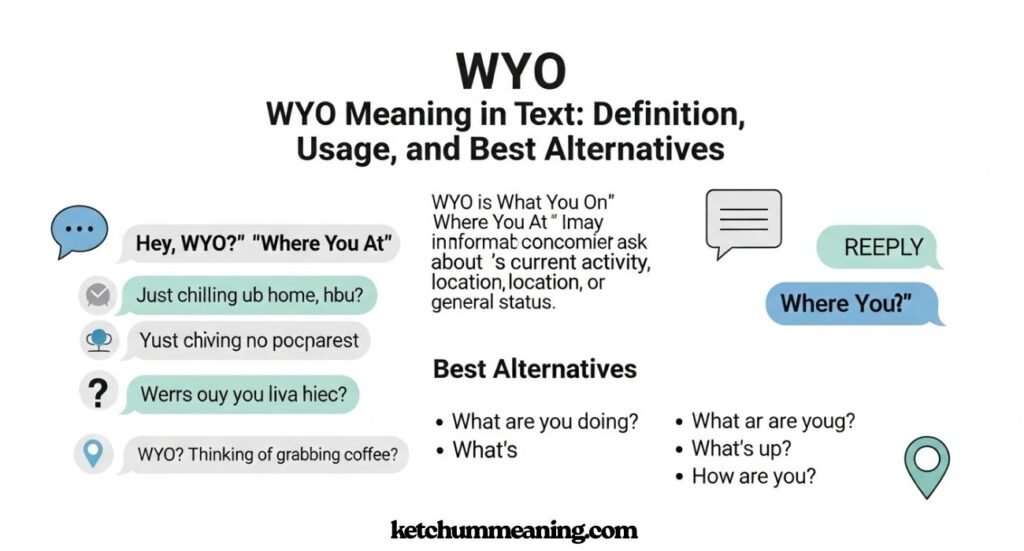
WYO is a simple texting abbreviation meaning “What You On?”, used to ask what someone is doing. It appears in casual chats, especially among younger users who prefer fast digital communication. People send it when checking in, starting a conversation, or seeing if someone is free.
Because it is informal, WYO works best in relaxed conversations. It reflects modern texting habits, where shortened phrases replace longer sentences. The abbreviation feels friendly and direct, making conversations easier and faster. Understanding its meaning helps avoid confusion, especially when reading its tone.
Why WYO Became Popular in Modern Texting
WYO gained popularity as digital communication evolved. People now prefer quick, simple expressions that reduce typing effort. It fits perfectly into fast-paced messaging apps where short replies feel natural. Its casual style makes it appealing for everyday conversations among friends.
The abbreviation also spread through social media platforms, where short phrases dominate. Users adopted it because it is easy to understand and works in many situations. As online messaging grows, phrases like WYO continue to represent modern, relaxed communication styles.
How Tone Affects the Meaning of WYO
Tone greatly influences how WYO is understood. The same message can feel friendly, bored, or flirty depending on punctuation or emojis. Readers often rely on context to decide whether the message is playful or serious, because the abbreviation itself is neutral.
A version like “WYO?” feels polite, while “WYO??” may show excitement. A plain “WYO.” might sound annoyed or distant. These small changes reveal how digital communication depends heavily on tone. Understanding this helps avoid miscommunication.
When WYO Is Appropriate to Use
WYO is best used with friends, siblings, or people you text casually. Its relaxed style fits everyday check-ins and quick conversations. Many teens and young adults use it to start chats without sounding too formal or demanding. It keeps messages light and friendly.
However, it should not be used in formal or professional settings. Workplace communication requires clearer and more respectful language. Using WYO in those environments may appear unprofessional. Knowing when it works helps maintain good communication habits.
Alternatives to WYO for Different Situations

When WYO feels too informal, simple alternatives like “What’s up?” or “What are you doing?” work well. These phrases are still casual but sound slightly more neutral and polite. They help maintain a friendly tone without using slang.
In more formal conversations, questions like “How is your day going?” or “Do you have a moment?” suit better. These options fit workplace expectations and avoid misunderstanding. Choosing the right phrase depends on your relationship and the setting.
Read Also : TM Meaning in Text: Complete Guide to Its Definition
Examples Showing How WYO Appears in Text
Real examples help explain how WYO works in conversations. Someone might text “WYO tonight?” to ask if you are free, while a friend could say “WYO??” when excited to chat. Each version carries a different tone, even though the meaning stays the same.
Another example is “Hey, WYO right now?” which feels like a friendly check-in. Messages like these show how people use WYO to start simple conversations. Observing these differences helps understand how slang fits into modern texting habits.
Why Context Matters When Reading WYO
Context determines how WYO should be interpreted. A message sent late at night may seem flirty, while one sent during the day may feel casual. The relationship between the sender and receiver also shapes how the abbreviation is understood.
Without context, the phrase can feel confusing or abrupt. That is why understanding who sent it and why is important. Proper interpretation prevents miscommunication and keeps conversations comfortable.
How WYO Reflects Changes in Digital Language
WYO shows how digital language continues evolving. Today’s messaging culture values speed and simplicity, leading to shorter phrases and creative abbreviations. People use slang to feel more natural and expressive in online conversations.
As communication platforms expand, more abbreviations like WYO appear. These changes reflect how humans adapt their language to technology. Understanding them helps everyone communicate more clearly in modern digital spaces.
FAQs
What does WYO mean in text?
WYO means “What You On,” and it asks what someone is doing right now.
Is WYO slang or formal language?
WYO is slang, and people mostly use it in casual chats.
Can I use WYO with teachers?
Students should avoid slang with teachers and use formal language instead.
Final Thoughts
WYO Meaning in Text helps young readers feel more confident when they chat online. Many people use short words in messages, so learning WYO makes texting easier. WYO means “What You On?” and it helps friends start simple conversations. Students see this word on apps, in group chats, and in messages from classmates. Knowing the meaning gives them stronger communication skills and helps them join everyday conversations without confusion.
Using WYO works well in friendly chats, but students must use clear and polite words in school or formal situations. Good communication helps them build better relationships and stay respectful. When they learn how to use WYO correctly, they understand modern texting and feel more comfortable in digital spaces.